
Resoconto su eventi incredibili avvenuti durante un meeting magico
Progetto “Burnout in Youth Work” • Lousã (PT) • 2–8 marzo
Le testimonianze dei partecipanti: forse confusi ma di certo attendibili
Nella settimana tra il 2 e l’8 marzo 2026, partner e operatori giovanili si sono incontrati a Lousã per lavorare su un tema molto concreto: come riconoscere, prevenire e contrastare il burnout nello youth work.
Lo scambio internazionale è stato molto positivo e sono successe una serie di cose magiche, come spesso accade in questo tipo di progetti.
Contravvenendo, a nostro rischio, al vincolo di riservatezza, abbiamo deciso di rivelare le cose più importanti e inquietanti che si sono verificate, accompagnandole a foto altrettanto riservate che documentano l’esperienza quasi irreale che abbiamo vissuto e il risultato dei nostri confronti.
Oltre alla foto, saranno presenti sia la versione in italiano, sia la versione inglese, per motivi di comprensione internazionale.
Buona lettura!
English version
A report about incredible events occurred during a magical meeting
The participants’ testimonies: perhaps confused but certainly reliable
For one week, partners and youth workers gathered in Lousã to tackle a very concrete issue: how to recognize, prevent, and combat burnout in youth work.
Within this framework, some very peculiar things took place—so much so that we have decided, at our own risk and in breach of our confidentiality agreement, to reveal them. We are sharing these revelations alongside equally confidential photos that document the almost surreal experience we went through and the ultimate results of our discussions.
Capitolo 1: Il burnout si presenta con il sorriso

Quando si comincia a sentire la fatica ti vengono incontro due gemelline in un ambiente elegante che ti dicono: “non preoccuparti, è tutto a posto”. Eppure lo senti che non è così: c’è qualcosa di inquietante in quella rassicurazione. Ma, come una mosca che si posa sul naso, scacci quel piccolo fastidio e attraversi il corridoio andando oltre. Ma lo sguardo delle gemelline ti segue…
Chapter 1: Burnout present itself with a smile
When you start to feel tired, two little twins come to you in an elegant setting and tell you, “Don’t worry, everything’s fine.” Yet you sense that’s not the case: there’s something unsettling about that reassurance. But, like a fly landing on your nose, you brush off the small annoyance and move on down the corridor. But the twins’ gaze follows you…
Capitolo 2: Ci vorrebbe il genio della lampada!
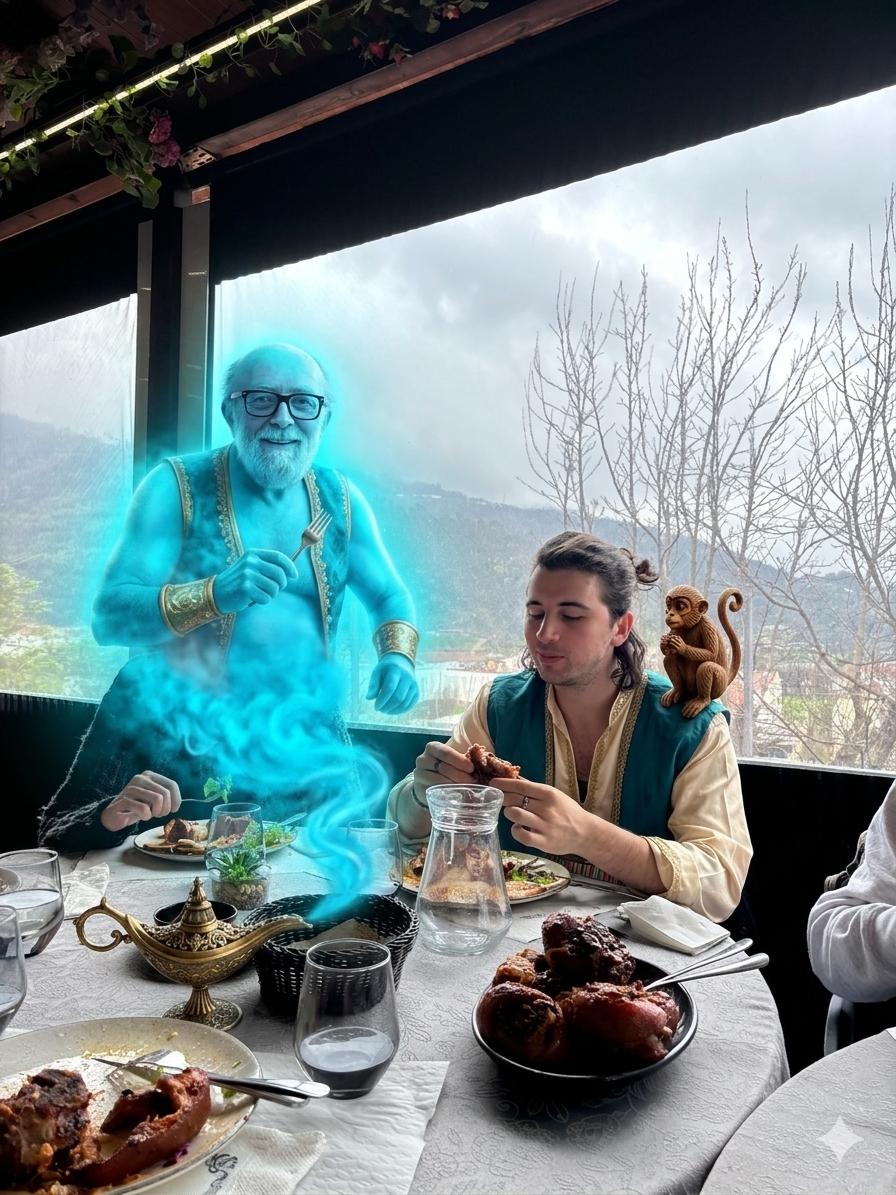
A un certo punto della settimana è apparso il consueto elenco di desideri professionali irrealistici: essere sempre presenti, sempre disponibili, sempre efficaci, sempre calmi, possibilmente senza dormire.
Il gruppo ha fatto qualcosa di rivoluzionario: ha smesso di chiamare tutto questo “passione” e ha cominciato a chiamarlo col suo nome. Cercare di sopravvivere a turni, fatica relazionale, conflitti, burocrazia e senso di colpa in un solo colpo. Purtroppo il burnout non si lascia sciogliere con tre desideri. Funzionano meglio strumenti meno spettacolari: supervisione, spazi di debriefing, distribuzione equa dei compiti e una cultura che permetta di dire “sono al limite” prima del crollo.
Chapter 2: We should have the genie of the lamp!
At a certain point during the week, the usual list of unrealistic professional desires appeared: to always be present, always available, always effective, always calm, possibly without sleep.
The group did something revolutionary: they stopped calling all this “passion” and started calling it by its name. Trying to survive shifts, relationship fatigue, conflict, bureaucracy, and guilt all at once. Unfortunately, burnout can’t be solved with just three wishes. Less spectacular tools work better: supervision, debriefing sessions, equitable distribution of tasks, and a culture that allows you to say “I’m at my limit” before you collapse.
Capitolo 3: La domanda è: chi guida?
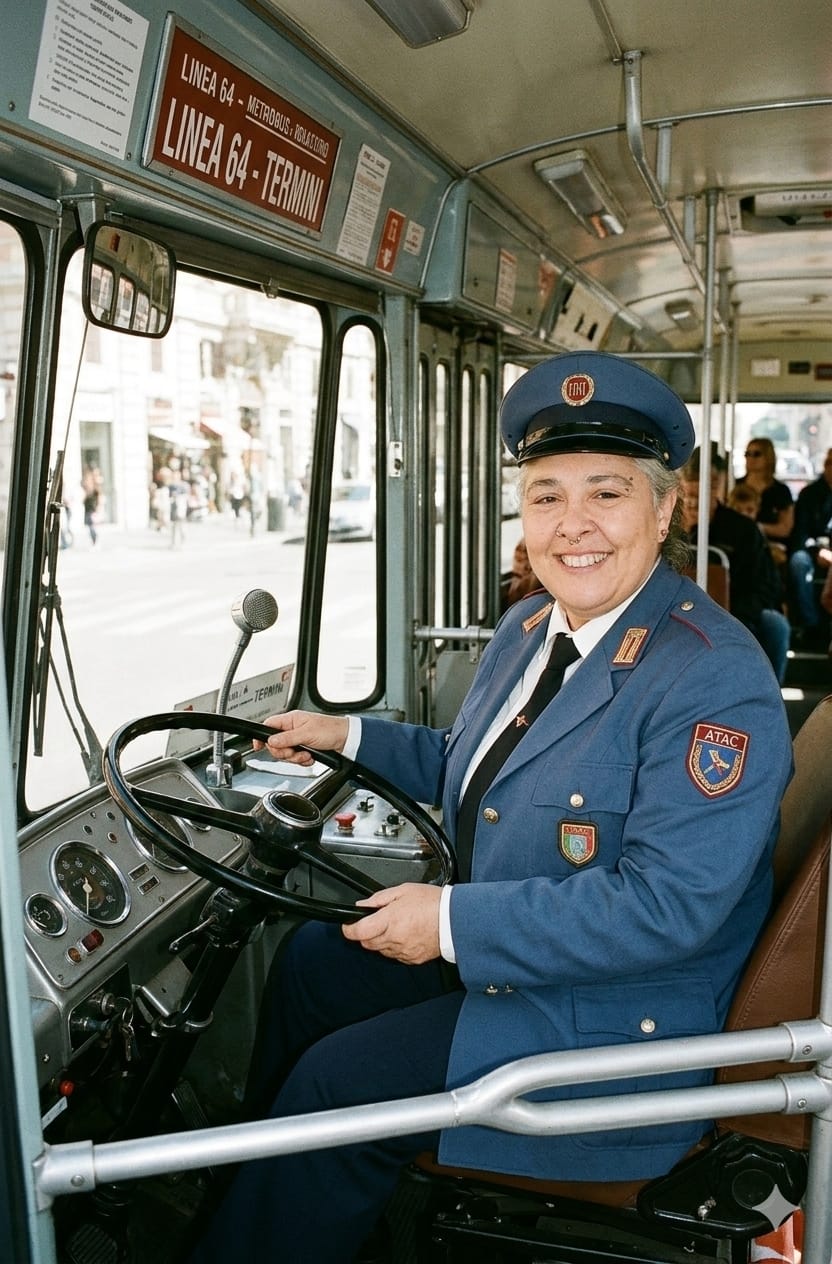
Nei percorsi educativi, come nei mezzi pubblici, non basta partire; serve una direzione, una segnaletica, soste previste e la possibilità concreta di non guidare ventiquattr’ore su ventiquattro. Tra workshop e confronti informali, il gruppo ha lavorato su un punto centrale: il burnout non è un problema di fragilità individuale ma anche di sistemi di lavoro, ruoli, confini e carichi distribuiti male. In altre parole: non si chiede agli operatori di correre più forte; si prova a ridisegnare il percorso, evitare fermate tossiche e arrivare vivi al capolinea. La prevenzione del burnout, quindi, passa anche dalla progettazione dei tempi e dalle capacità di autoriflessione e di confronto degli operatori, non solo dalla buona volontà delle persone.
Chapter 3: The question is: who’s the driver?
In educational programs, as with public transportation, simply starting isn’t enough; you need direction, signage, scheduled stops, and the real possibility of not driving around the clock. Through workshops and informal discussions, the group worked on a central point: burnout isn’t a problem of individual fragility, but rather of poorly distributed work systems, roles, boundaries, and workloads. In other words, workers aren’t asked to run faster; they’re trying to redesign the route, avoid toxic stops, and get to the end alive. Burnout prevention, therefore, also depends on planning time and workers’ capacity for self-reflection and discussion, not just on individual goodwill.
Capitolo 4: Il carico emotivo e di lavoro

La capacità di carico degli operatori è come sostenere un cammello sorridendo. Viene considerato normale fermarsi mantenendolo in equilibrio: è la metafora del sostenere gli altri, anche quando riposano perché bisogna esserci sempre. Eppure recuperare energia non dovrebbe essere un premio per chi ce la fa, ma una condizione per lavorare bene. Pause, tempi di recupero, possibilità di rallentare, rituali di chiusura e di passaggio: elementi piccoli, ma decisivi che ci fanno lasciare i cammelli a riposare per conto loro, che pure lo sanno fare bene. E a prenderci lo spazio che serve per noi.
Chapter 4: The emotional and workload burden
The workers’ carrying capacity is like supporting a camel while smiling. It’s considered normal to stop and keep it balanced: it’s a metaphor for supporting others, even when they’re resting, because you always have to be there. Yet, regaining energy shouldn’t be a reward for those who succeed, but a prerequisite for working well. Breaks, recovery times, opportunities to slow down, closing and transition rituals: small but crucial elements that allow us to leave the camels to rest on their own, even though they know how to do it well. And to take the space we need for ourselves.
Capitolo 5: I mostri delle profondità

Lavorare con giovani, gruppi, fragilità e conflitti significa stare spesso in acque mosse e smuoverne le profondità. Per lo youth work, spesso, la balena bianca che si muove nel profondo delle acque è l’idea che l’impegno autentico coincida con l’autosacrificio. A Lousã abbiamo provato a inseguire proprio questo mostro concettuale, per osservarlo meglio. Il risultato? Non è eroismo: è rischio. Quando il confine tra dedizione e consumo di sé scompare, il burnout non arriva all’improvviso. Arriva per accumulo, spesso in silenzio Per questo si è parlato di alfabetizzazione emotiva, riconoscimento dei segnali precoci di saturazione e pratiche concrete di auto-osservazione: non per diventare invincibili, ma per non scoprire la fatica solo quando è già enorme (ed è difficile da cacciare).
Chapter 5: The monsters of the depths
Working with young people, groups, fragilities and conflicts often means navigating choppy waters and tackling their depths. For youth work, the white whale that moves in the depths is often the idea that authentic commitment coincides with self-sacrifice. In Lousã, we tried to pursue this very conceptual monster, to observe it better. The result? It’s not heroism: it’s risk. When the boundary between dedication and self-consumption disappears, burnout doesn’t strike suddenly. It comes through accumulation, often silently. This is why we discussed emotional literacy, recognizing early signs of saturation, and concrete practices of self-observation: not to become invincible, but to avoid discovering fatigue only when it’s already enormous (and difficult to overcome).
Capitolo 6: Vendere gelati ai pinguini

Talvolta è ciò che viene chiesto agli youth worker. Inventare soluzioni a problemi apparentemente insolubili: fermare gruppi problematici, progettare sempre nuove idee, essere accattivanti per gli utenti. Per questo bisogna approfondire il nostro percorso, continuare a innovare, non fermarsi. Ma a che costo? Quanto impegnano del nostro tempo libero? E quante e quali capacità personali investiamo nel nostro lavoro? Tutte domande che a Lousã sono risuonate alla ricerca di risposte collettive e di rivisitazione dei percorsi professionali di ciascuno. Non è la soluzione ma un nuovo punto di partenza. Non venderemo gelati ai pinguini ma spesso ci andiamo molto vicino.
Chapter 6: Selling ice cream to penguins
This is sometimes what youth workers are asked to do. Invent solutions to seemingly insoluble problems: stopping problematic groups, constantly developing new ideas, being engaging with users. This requires us to deepen our journey, continue to innovate, and never stop. But at what cost? How much of our free time do they take up? And how many and what personal skills do we invest in our work? These are all questions that resonated in Lousã as we searched for collective answers and revisited each other’s professional paths. It’s not the solution, but a new starting point. We may not be selling ice cream to penguins, but we often come very close.
Capitolo 7: Chi aiuta chi aiuta?

La settimana non è stata soltanto formativa; è stata anche profondamente collettiva. In più momenti si è ragionato su come costruire ambienti di lavoro in cui il benessere non dipenda dalla bravura individuale nel “tenere botta”, ma da una responsabilità condivisa. Questa forse è stata la lezione più forte: prendersi cura di chi si prende cura non è una parentesi gentile. È una condizione strutturale dello youth work.
Perché se è vero che sentirsi parte di una comunità protegge, energizza e restituisce senso dall’altra parte esso non basta se l’organizzazione resta confusa o scarica tutto sulle singole persone. La solidarietà è un fattore protettivo; non deve diventare una toppa messa dove mancano struttura e responsabilità.
Chapter 7: Who helps helpers?
The week wasn’t just educational; it was also profoundly collective. At various points, we discussed how to build work environments where well-being doesn’t depend on individual ability to “hold on,” but on shared responsibility. This was perhaps the most powerful lesson: caring for those who care isn’t a mere aside. It’s a structural condition of youth work.
Because while it’s true that feeling part of a community protects, energizes, and restores meaning, it’s not enough if the organization remains confused or leaves everything to individuals. Solidarity is a protective factor; it shouldn’t become a patch placed where structure and responsibility are lacking.
Capitolo 8: In conclusione (più o meno)

Spesso, nel lavoro educativo, ci si aspetta che una persona particolarmente competente, generosa o resistente riesca da sola a moltiplicare tempo, ascolto e lucidità. La conclusione ragionevole emersa dal meeting è che il burnout non si previene affidandosi ai miracoli individuali, ma costruendo contesti di lavoro più giusti, leggibili e sostenibili. Alla fine della settimana il gruppo si è portato via strumenti concreti, domande migliori e un principio di metodo: per lavorare bene con i giovani non basta avere buone intenzioni. Servono strutture di supporto, tempi sostenibili, relazioni professionali affidabili e la possibilità di fermarsi prima di crollare.
Chapter 8: In the end (more or less)
Often, in educational work, a particularly competent, generous, or resilient person is expected to be able to multiply time, listening skills, and clarity on their own. The reasonable conclusion that emerged from the meeting was that burnout is not prevented by relying on individual miracles, but by building more just, understandable, and sustainable work environments. At the end of the week, the group took away concrete tools, better questions, and a guiding principle: working effectively with young people requires more than just good intentions. Support structures, sustainable timeframes, reliable professional relationships, and the ability to stop before you collapse are needed.